
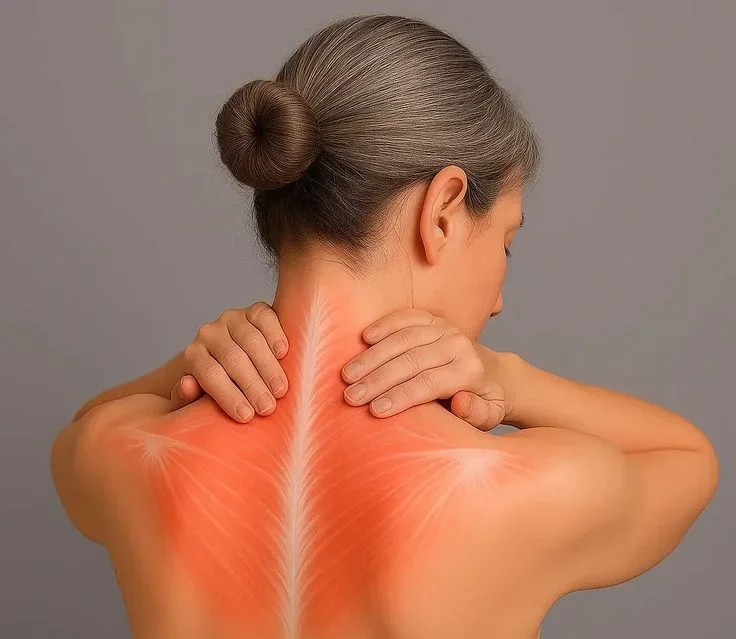

Understanding Cervical Ligament Injury
Neck pain is one of the most common musculoskeletal complaints seen in physiotherapy clinics.
While many people associate neck pain with muscle strain or disc problems, injuries to the cervical ligaments are an important and often overlooked cause of persistent neck pain and instability.
Cervical ligaments are strong connective tissues that connect the bones of the cervical spine (vertebrae) and help stabilize the neck.
These ligaments guide movement, prevent excessive motion, and protect delicate structures such as the spinal cord and nerves.
Research in spinal biomechanics shows that spinal ligaments play a crucial role in transferring forces between vertebrae and maintaining stability during neck movements. (arXiv)
When these ligaments are stretched, partially torn, or completely ruptured, it can lead to cervical ligament injury, also called a neck ligament sprain.
From a physiotherapist’s perspective, early diagnosis and rehabilitation are essential because untreated ligament injuries may lead to chronic neck pain, instability, headaches, and movement dysfunction.
Read about our- Complete Guide to Neck Pain: Causes, Symptoms, Exercises and Treatment
Anatomy of Cervical Spine Ligaments
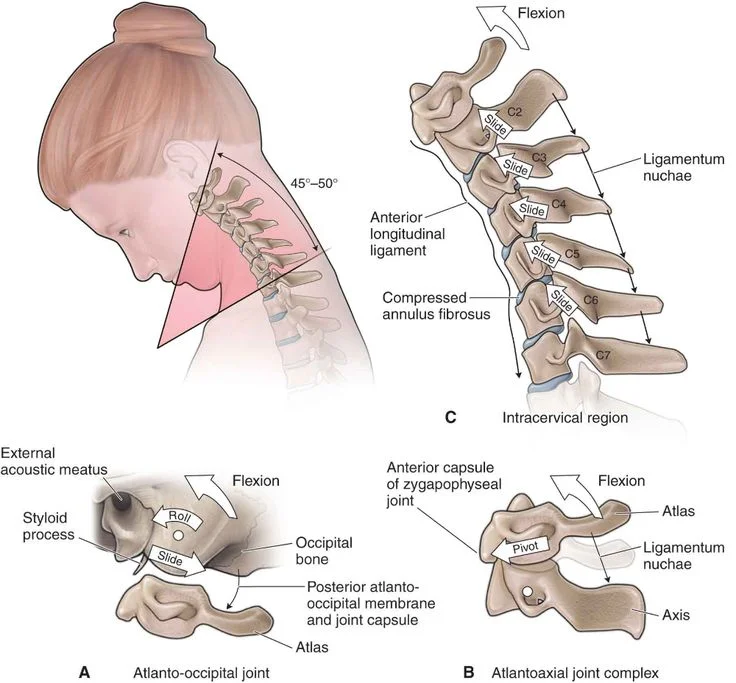
The cervical spine contains several important ligaments that stabilize the neck.
Anterior Longitudinal Ligament
This ligament runs along the front of the vertebral bodies and prevents excessive backward bending of the neck.
Posterior Longitudinal Ligament
Located inside the spinal canal, it helps control forward bending of the cervical spine.
Ligamentum Flavum
This ligament connects the lamina of adjacent vertebrae and helps maintain spinal alignment.
Interspinous and Supraspinous Ligaments
These ligaments connect the spinous processes and resist excessive flexion of the neck.
Nuchal Ligament
The nuchal ligament is a thick band of connective tissue located at the back of the neck. It helps support the head and serves as an attachment point for several neck muscles.
Together, these ligaments maintain neck stability while allowing smooth movement in all directions.
Read in detail: Whiplash Injury After An Accident? Here’s Treatment And Expert Rehab Guide
What Is a Cervical Ligament Injury?
A cervical ligament injury occurs when the ligaments supporting the neck are overstretched, torn, or damaged due to sudden force or repetitive strain.
This injury is commonly classified as a neck sprain, and it often occurs alongside muscle strain.
One of the most well-known examples is whiplash injury, which frequently occurs in motor vehicle accidents.
Whiplash involves a rapid back-and-forth motion of the neck that can stretch or tear cervical ligaments, particularly the anterior longitudinal ligament and nuchal ligament. (Wikipedia)
Ligament injuries may range from mild stretching to severe structural damage that causes cervical instability.
Read about : 15 Common Causes of Neck Pain You Should Know
Common Causes of Cervical Ligament Injury
Cervical ligament injuries may occur due to several mechanisms.
Motor Vehicle Accidents
Rear-end collisions commonly produce whiplash injuries that overstretch cervical ligaments.
Sports Injuries
Contact sports such as football, wrestling, or gymnastics increase the risk of neck ligament injury.
Falls
Sudden falls can transmit forces through the neck, causing ligament sprains.
Sudden Neck Movements
Rapid twisting or bending movements may overload cervical ligaments.
Poor Posture and Repetitive Strain
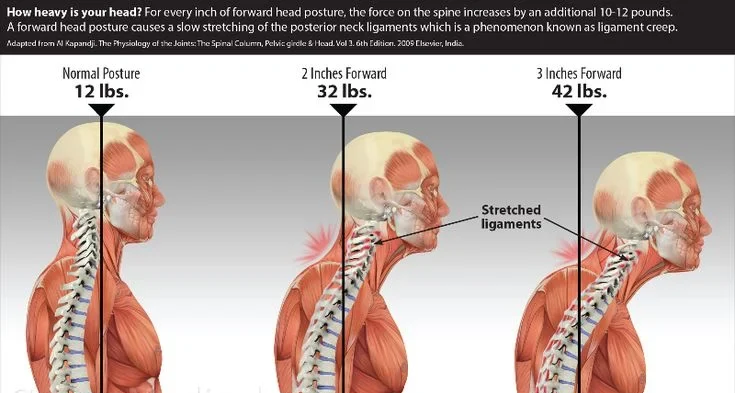
Long-term poor posture such as text neck can gradually stress cervical structures.
High-Impact Trauma
Severe injuries may also involve damage to discs, joints, or spinal cord structures.
Read in detail about: Cervical Disc Degeneration: The Hidden Cause of your Neck Pain
Symptoms of Cervical Ligament Injury
Symptoms vary depending on the severity of the injury.
Neck Pain
Pain is usually localized to the injured area but may radiate to the shoulders or upper back.
Neck Stiffness
Patients often report difficulty moving their neck, especially after waking up.
Muscle Spasm
Protective muscle spasms commonly occur to stabilize the injured ligaments.
Headaches
Ligament injury can trigger cervicogenic headaches.
Reduced Range of Motion
Turning or bending the neck may feel restricted.
Dizziness or Balance Issues
In some cases, neck injuries may affect proprioceptive signals that help maintain balance.
Tenderness in the Neck
Palpation often reveals tenderness along the injured ligament.
Read in detail about: Cervical Radiculopathy: Why Neck Nerve Pain Travels to the Arm
Lesser Known Facts About Cervical Ligament Injuries
Ligament injuries can mimic disc problems
Many patients assume they have a slipped disc when they actually have ligament damage.
Neck injuries may affect headaches
Certain structures in the upper cervical region connect to the dura mater through a structure known as the myodural bridge, which may influence headaches and neck pain. (Wikipedia)
Symptoms may appear days later
In injuries like whiplash, symptoms often appear hours or days after trauma rather than immediately. (Wikipedia)
Cervical injuries may contribute to post-concussion symptoms
Studies suggest cervical spine dysfunction can contribute to symptoms such as dizziness and headache following concussion. (PubMed)
How Cervical Ligament Injuries Are Diagnosed
Diagnosis typically involves a combination of clinical evaluation and imaging tests.
Medical History
The clinician asks about trauma, accident history, or sudden neck movement.
Physical Examination
A physiotherapist checks:
- neck movement
- tenderness
- ligament stability
- neurological signs
Imaging Tests that show ligament injuries better
MRI (Magnetic Resonance Imaging)
This is the best imaging method for detecting ligament tears because it shows soft tissues, including ligaments, muscles, discs, and spinal cord.
CT Scan
CT scans mainly show bone detail but may sometimes detect ligament injury indirectly if there is abnormal joint spacing.
Dynamic or Flexion-Extension X-rays
In some cases, doctors perform X-rays while the neck bends forward and backward to detect spinal instability caused by ligament damage.
Why ligament tears are not seen on X-ray
X-rays are designed to show bones and bone alignment, not soft tissues. Since ligaments are soft connective tissues, they generally do not appear clearly on standard radiographs.
However, X-rays are still often ordered in suspected neck injuries because they help doctors:
- Rule out fractures of the cervical vertebrae
- Detect dislocations or abnormal spinal alignment
- Identify indirect signs of ligament damage, such as instability between vertebrae
Read about: Effective Neck Pain Exercises At Home: A Complete Guide to Relief and Improved Mobility
Physiotherapy Treatment for Cervical Ligament Injury
Physiotherapy is a cornerstone of recovery after ligament injuries.
Treatment goals include:
- reducing pain
- restoring neck mobility
- strengthening supporting muscles
- improving stability
- preventing recurrence
Studies show that structured physical therapy programs can significantly improve pain levels and function in patients with cervical disorders. (PubMed)
Pain Control and Early Management
Initial management may include:
- rest
- ice or heat therapy
- gentle mobility exercises
- soft cervical collar (short-term use)
Pain management helps reduce inflammation and muscle guarding.
Manual Therapy
Physiotherapists may use:
- soft tissue mobilization
- myofascial release
- joint mobilization
These techniques help restore normal movement and reduce pain.
Therapeutic Exercises
Exercises form the foundation of rehabilitation.
Key exercises include:
- deep neck flexor strengthening
- scapular stabilization
- cervical mobility exercises
Strengthening stabilizing muscles improves control of the cervical spine and supports injured ligaments. (vaughanphysiotherapy.com)
Proprioceptive Training
Neck ligaments contain sensory receptors that help maintain balance and coordination.
Proprioceptive exercises help retrain these signals and improve neck control.
Learn how posture affects neck pain and correction exercises in our article on Simple Posture Correction Exercises for Forward Head Posture
Postural Correction
Correcting posture is essential to reduce stress on healing ligaments.
Physiotherapists often teach:
- ergonomic workstation setup (Read: Best Desk Setup to Reduce Neck and Back Pain)
- proper phone usage posture
- sleeping position adjustments
Learn About: The Ultimate Neck Stretch Routine for Desk Workers in 2026
Home Exercises for Cervical Ligament Injury
Rehabilitation exercises are essential for restoring neck stability, muscle endurance, and proprioception after cervical ligament injury.
Physiotherapy programs typically focus on strengthening the deep cervical flexor muscles, scapular stabilizers, and cervical proprioceptive system, which support the cervical ligaments and improve neck control.
Clinical studies show that specific cervical stabilization exercises significantly improve pain, muscle endurance, and functional disability in individuals with neck disorders. (PubMed)
Below are physiotherapy exercises commonly recommended in rehabilitation protocols.
1. Cranio-Cervical Flexion Exercise (Deep Neck Flexor Training)

The cranio-cervical flexion exercise is one of the most widely researched physiotherapy exercises for neck disorders.
It specifically activates the deep cervical flexor muscles (longus colli and longus capitis), which provide important stability to the cervical spine.
How to perform
- Lie on your back with knees bent.
- Gently nod your head as if saying “yes.”
- Keep the movement small and controlled.
- Hold the position for 5–10 seconds.
- Relax and repeat.
Repetitions: 10 repetitions; 2–3 sets daily
Research shows that cranio-cervical flexion training improves neck muscle endurance, pain levels, and functional disability in patients with chronic neck pain. (PubMed)
2. McKenzie Cervical Retraction Exercise
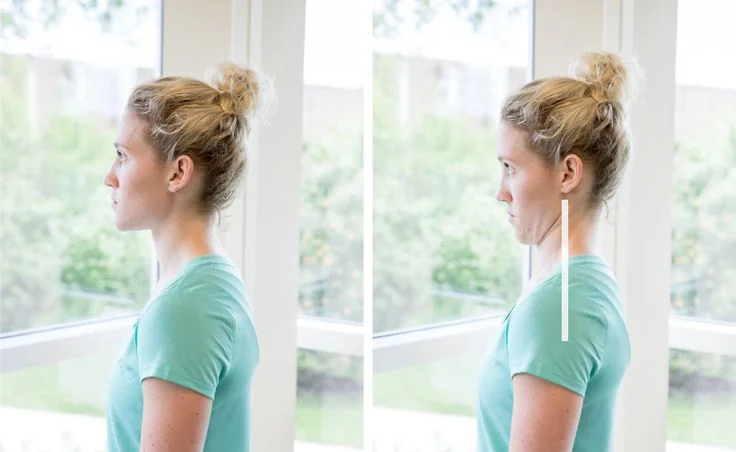
The McKenzie neck retraction exercise helps restore cervical alignment and reduce stress on cervical ligaments.
How to perform
- Sit upright while looking straight ahead.
- Slowly pull your head backward without tilting it.
- Keep the chin level and hold for 3–5 seconds.
- Return to the neutral position.
Repetitions: 10–15 repetitions; 2–3 sets daily
A randomized clinical trial reported that McKenzie neck exercises significantly improved neck pain, disability, and deep neck flexor muscle strength within six weeks. (PubMed)
3. Cervical Isometric Stabilization Exercise
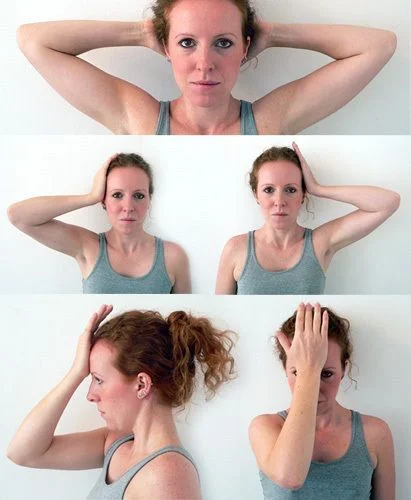
Isometric exercises strengthen the muscles that stabilize cervical ligaments without excessive movement.
How to perform
- Sit upright.
- Place your palm on your forehead.
- Gently push your head forward while resisting with your hand.
- Keep the neck still during the contraction.
Repeat the same movement with the hand placed:
- behind the head (extension)
- on the side of the head (lateral resistance)
Hold– 5 seconds
Repetitions: 10 repetitions each direction
Studies have shown that isometric neck exercises improve cervical muscle endurance and reduce neck disability scores. (PubMed)
4. Scapular Stabilization Exercise (Lower Trapezius Strengthening)
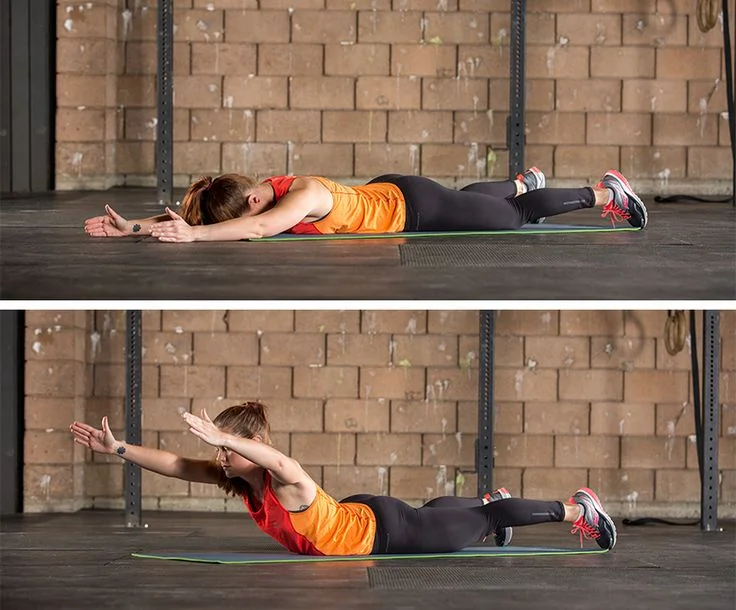
Weak scapular muscles increase strain on cervical structures. Strengthening the lower trapezius improves posture and reduces cervical stress.
How to perform
- Lie face down on a bed or exercise mat.
- Raise your arms in a “Y” position overhead.
- Lift the arms slightly while squeezing the shoulder blades together.
- Hold briefly and lower slowly.
Repetitions: 10–12 repetitions; 2 sets
A randomized controlled trial found that strengthening the deep neck muscles combined with lower trapezius exercises improved postural control and neck function in office workers with chronic neck pain. (Thai Journal Online)
5. Cervical Proprioception Training (Laser or Target Exercise)

Cervical ligaments contain proprioceptors that help the brain detect head position. Injury may disrupt this system.
How to perform
- Sit facing a wall with a small target placed at eye level.
- Close your eyes and gently rotate your head.
- Return to the starting position and try to realign with the target.
Repetitions: 10 repetitions each direction
Proprioceptive training improves postural control and cervical joint position sense, which is important in rehabilitation after neck injury. (Thai Journal Online)
6. Cervical Range of Motion Mobility Exercise
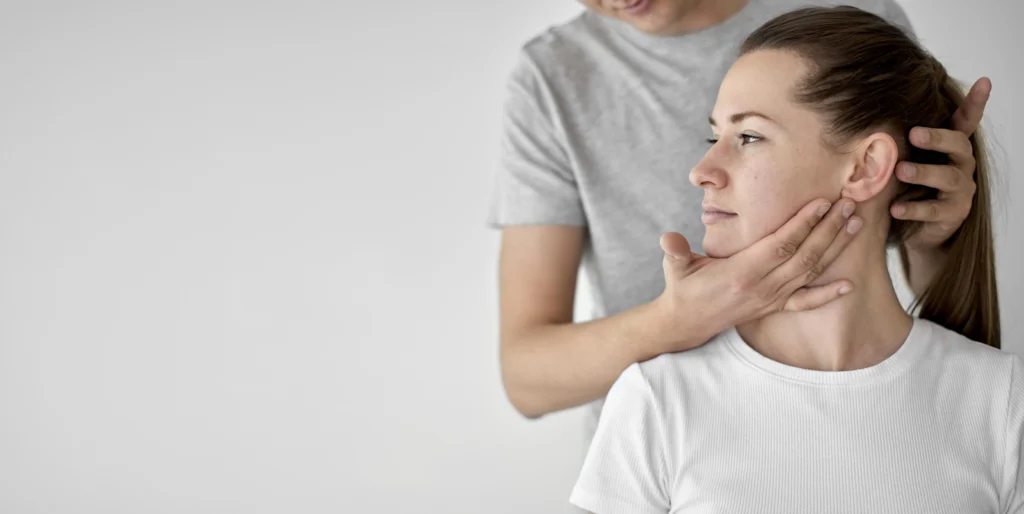
Maintaining gentle mobility prevents stiffness and promotes ligament healing.
How to perform
- Slowly turn your head to the right.
- Hold for 3 seconds.
- Return to center.
- Repeat on the opposite side.
Repetitions: 10 repetitions each direction
Neck mobility exercises help restore active cervical range of motion and functional movement patterns. (PubMed)
Important Exercise Safety Tips
To prevent worsening of cervical ligament injury:
- Perform exercises slowly and pain-free
- Avoid sudden or jerky neck movements
- Stop exercises if dizziness or radiating pain occurs
- Maintain proper posture during exercise
- Progress exercises gradually
Regular physiotherapy exercises help restore neck stability, improve muscle endurance, and reduce the risk of recurrent ligament injury.
Lifestyle Changes That Support Healing
Recovery from ligament injury requires proper lifestyle modifications.
Helpful strategies include:
- avoiding prolonged phone use
- taking frequent posture breaks
- strengthening upper back muscles
- using ergonomic chairs
- improving sleep posture
Even small adjustments can significantly reduce strain on cervical structures.
Clinical Experience
In clinical practice, cervical ligament injuries are often underdiagnosed because symptoms may resemble muscle strain or disc problems.
Many patients continue working through pain, which may worsen ligament instability over time. Early physiotherapy assessment helps identify the true cause and prevents chronic neck problems.
Physio Prescription
Daily routine I recommend for patients recovering from cervical ligament injury:
Morning
- Chin tucks (10 reps) (Learn How to do Chin Tucks for Neck Pain Relief and Posture Correction)
- Neck rotations (10 reps each side)
During work
- Posture break every 45 minutes
- Shoulder blade squeezes (10 reps)
Evening
- Gentle neck stretching
Consistency is far more important than intensity.
Red Flags That Need Medical Attention
Seek medical care immediately if you experience:
- numbness in arms or hands
- weakness in arms
- severe trauma
- loss of balance
- bowel or bladder problems
These symptoms may indicate serious spinal injury.
Also read: How to Relieve Neck Tightness Without Equipment
Myth About Neck Ligament Injuries
Myth: Neck sprains heal automatically without treatment.
Fact: Without proper rehabilitation, ligament injuries may lead to chronic instability and long-term neck pain.
Frequently Asked Questions
1. What is a cervical ligament injury?
A cervical ligament injury occurs when the ligaments supporting the neck are stretched or torn due to trauma, sudden movements, or repetitive strain.
2. How long does a neck ligament injury take to heal?
Mild ligament sprains may heal within 2–6 weeks, while more severe injuries may require several months of rehabilitation.
3. Can physiotherapy help cervical ligament injuries?
Yes. Physiotherapy helps restore neck mobility, strengthen supporting muscles, and improve stability after ligament injury.
4. What are the most common causes of neck ligament injury?
Common causes include car accidents, whiplash injuries, sports trauma, falls, and sudden neck movements.
5. Are neck ligament injuries serious?
Most ligament injuries are mild and recover with proper treatment, but severe injuries may cause cervical instability and require medical care.
Final Word
Cervical ligament injuries are an important but often overlooked cause of neck pain. These injuries commonly occur after trauma such as whiplash but may also develop from repetitive strain and poor posture.
Fortunately, most ligament injuries respond well to early physiotherapy, targeted exercises, and posture correction.
With proper treatment and patient commitment, it is possible to restore neck stability, reduce pain, and prevent long-term complications.
Stay tuned with us for more health related topics.
Follow us on LinkedIn and Instagram for more.
More Read


Medical Disclaimer!
This article has been reviewed and written under the guidance of our Head Physiotherapist, Dr. Kruti Raj (PT, MUHS,CPT,CMPT). The information shared is intended for educational purposes only and should not be considered a substitute for personalized medical advice, diagnosis, or treatment.
Please consult us or any other qualified healthcare professional before beginning any exercise program, especially if you are experiencing pain, recovering from injury, or managing a medical condition.


