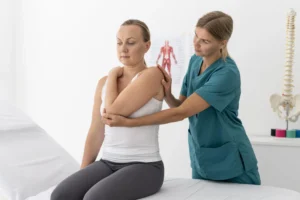
Weight loss with pelvic floor dysfunction requires a smarter approach,
because discomfort, weakness, or symptoms can make regular exercise challenging.
Many people want to become more active to improve their health or lose weight.
They start walking, join a gym, or begin a home workout program with good intentions.
Then something unexpected happens.
They notice urine leakage during exercise.
They feel pressure or heaviness in the pelvic area.
Certain movements become uncomfortable.
Jumping, running, or lifting weights may suddenly feel different than before.
For some people, these symptoms are embarrassing enough that they stop exercising altogether.
Quick Answer
Yes, pelvic floor problems can affect exercise and may indirectly make weight management more challenging.
Some people avoid physical activity because of urine leakage, pelvic pressure, or discomfort. However, many individuals can remain active by choosing appropriate exercises and seeking professional guidance when needed.
In many cases, the goal is not to stop exercising, it is to exercise differently.
Unfortunately, reducing physical activity can make it more difficult to maintain fitness and manage body weight over time.
The good news is that having pelvic floor problems does not automatically mean you have to give up exercise.
In many cases, the answer is not to stop moving,
it is to choose activities that feel more comfortable and seek professional guidance when needed.
Understanding the relationship between pelvic floor health, exercise, and weight management can help you stay active while protecting your long-term well-being.
Key Takeaways
- Pelvic floor problems can affect both women and men.
- Symptoms may make some forms of exercise uncomfortable.
- Staying active is often possible with appropriate modifications.
- Walking and other low-impact activities may feel more comfortable.
- Pelvic floor muscle training may help some conditions.
- Weight management and pelvic floor health can influence each other.
- You do not always have to stop strength training.
- Persistent symptoms deserve professional evaluation.
What Is the Pelvic Floor?
The pelvic floor is a group of muscles and connective tissues located at the bottom of the pelvis.
These muscles help support important organs, including the bladder, bowel, and, in women, the uterus.
The pelvic floor also plays a role in:
- Bladder control
- Bowel control
- Core stability
- Sexual function
- Supporting pressure inside the abdomen
Like other muscles in the body, the pelvic floor can become weak, tight, or have difficulty working efficiently.
Pelvic floor problems can affect both women and men, although some conditions are more common in certain groups.
Common Pelvic Floor Problems
Pelvic floor dysfunction is a broad term that may include several different conditions.
Some common examples include:
Urinary Incontinence
Urinary Incontinence refers to the accidental leakage of urine.
Some people notice leakage when they cough, sneeze, laugh, run, or exercise.
Pelvic Organ Prolapse
Due to Pelvic Organ Prolapse, some individuals may experience a feeling of pressure, heaviness, or bulging in the pelvic area.
Pelvic Floor Muscle Weakness
Weak muscles may contribute to reduced support and control.
Overactive or Tight Pelvic Floor Muscles
Not all pelvic floor problems are caused by weakness.
In some cases, the muscles may be overly tense or have difficulty relaxing, leading to pelvic floor tightness.
Symptoms vary from person to person.
Some individuals experience only mild discomfort, while others may find that symptoms interfere with daily activities.
Can Pelvic Floor Problems Affect Weight Loss Exercise?
Yes, they can.
Many people with pelvic floor symptoms become less physically active because certain movements feel uncomfortable or embarrassing.
Activities that may sometimes trigger symptoms include:
- Running
- Jumping
- High-impact aerobics
- Heavy lifting
- Certain abdominal exercises
This does not mean these activities are harmful for everyone.
It simply means that some people may notice symptoms during these forms of exercise.
The relationship between physical activity and pelvic floor health is complex.
Many people continue exercising successfully by modifying their routines.
The goal is often to find activities that match an individual’s comfort level and physical abilities.
Can Pelvic Floor Dysfunction Affect Weight Loss?

Indirectly, yes.
Pelvic floor problems do not automatically prevent the body from losing weight.
However, they may make it more difficult for some people to stay physically active.
For example:
A person who experiences urine leakage while jogging may stop running.
Someone who feels pelvic pressure during gym workouts may avoid exercise altogether.
Less physical activity may reduce overall energy expenditure and make healthy weight management more challenging.
This does not mean weight loss with pelvic floor dysfunction becomes impossible.
It simply means that finding comfortable and sustainable forms of movement may become even more important.
Should You Stop Exercising?
In many situations, the answer is no.
Completely avoiding physical activity may lead to additional health challenges over time.
Regular movement supports overall health and can contribute to healthy weight management.
The World Health Organization recommends regular physical activity for adults.
WHO Guidelines on Physical Activity and Sedentary Behaviour
Instead of stopping exercise completely, many people benefit from adjusting the type, intensity, or duration of their activities.
If symptoms are severe or worsening, discussing them with a healthcare professional or pelvic floor specialist may be helpful.
Which Exercises May Feel More Comfortable?
Everyone is different, but many people find that lower-impact activities are easier to tolerate.
Examples may include:
Walking
Walking is simple, accessible, and can support overall fitness.
Swimming
Water provides support that may reduce stress on the body.
Cycling
Some individuals may find cycling more comfortable than running.
Yoga
Certain forms of yoga may improve flexibility and body awareness.
Pilates
Some Pilates exercises emphasize controlled movement and core stability.
The best exercise is often one that feels comfortable and can be maintained consistently.
Can Pelvic Floor Muscle Training Help?
Pelvic floor muscle training is a common conservative approach used for certain pelvic floor conditions.
Research supports pelvic floor muscle training for some forms of urinary incontinence. (Dumoulin et al. 2018)
It is important to remember that not every pelvic floor problem is the same.
Some people may benefit from strengthening exercises.
Others may require different approaches depending on their symptoms.
This is one reason individualized professional guidance can be valuable.
Strength Training and the Pelvic Floor
Many people worry that strength training is automatically unsafe if they have pelvic floor symptoms.
This is not always true.
Strength training offers many health benefits, including support for muscle strength and physical function.
The key may be choosing appropriate exercises and progressing gradually.
Some people may benefit from:
- Lighter weights
- Controlled breathing
- Proper lifting technique
- Professional instruction
- Gradual progression
Heavy lifting may feel comfortable for some individuals but not for others.
Exercise programs often need to reflect personal needs and symptom levels.
Walking and Low-Impact Activities
Walking deserves special attention because it is one of the most accessible forms of physical activity.
It requires little equipment and can often be adjusted to suit different fitness levels.
Walking may help people remain active while reducing the impact associated with certain higher-intensity activities.
Other low-impact options include:
- Elliptical training
- Water aerobics
- Gentle stretching
- Recreational cycling
Remaining active in a comfortable way is often more sustainable than avoiding exercise completely.
Pelvic Floor Problems Can Affect Confidence Too
The physical symptoms are only part of the story.
Many people feel embarrassed by urine leakage or fear that symptoms will occur in public.
As a result, they may avoid:
- Fitness classes
- Team sports
- Gym workouts
- Social activities
- Outdoor exercise
Reduced confidence can create additional barriers to staying active.
Recognizing that pelvic floor problems are common may help reduce feelings of isolation and encourage people to seek support.
Can Body Weight Affect the Pelvic Floor?
Research suggests that body weight and pelvic floor health may be related.
Carrying excess body weight may increase pressure on the pelvic floor.
At the same time, pelvic floor symptoms may discourage physical activity.
This can create a cycle where reduced activity contributes to further weight-management challenges.
Breaking that cycle often involves finding enjoyable forms of movement that can be performed comfortably and consistently.
Common Mistakes People Make
Stopping Exercise Completely
Many people assume that any physical activity will make symptoms worse.
This is not always the case.
Believing Kegels Solve Every Problem
Pelvic floor dysfunction is complex.
Different symptoms may require different approaches.
Ignoring Symptoms
Persistent symptoms deserve professional evaluation.
Trying to Push Through Severe Discomfort
Pain or significant symptoms should not simply be ignored.
Feeling Embarrassed to Ask for Help
Pelvic floor problems are common and healthcare professionals discuss these issues regularly.
Common Myths About Pelvic Floor Problems
Myth: People With Pelvic Floor Problems Should Never Exercise
Reality:
Many people remain active with appropriate modifications.
Myth: Kegel Exercises Cure Everything
Reality:
Different pelvic floor conditions may require different approaches.
Myth: Running Always Damages the Pelvic Floor
Reality:
Not everyone experiences problems with running.
Myth: Only Women Have Pelvic Floor Problems
Reality:
Pelvic floor disorders can affect both women and men.
Myth: Weight Loss Automatically Fixes Pelvic Floor Dysfunction
Reality:
Weight management may play a role, but pelvic floor health is influenced by many factors.
Expert Tip
If one activity feels uncomfortable, it does not mean you have to stop exercising altogether. Many people succeed by choosing lower-impact alternatives that better match their symptoms.
When Should You Seek Medical Advice?
Speaking with a healthcare professional may be appropriate if you experience:
- Persistent urine leakage
- Pelvic pressure or heaviness
- Pain during exercise
- Symptoms that interfere with daily life
- Sudden changes in bladder or bowel control
A pelvic floor physiotherapist or other qualified healthcare professional can help determine the most appropriate approach.
Final Thoughts
Pelvic floor problems can create challenges, but they do not always have to prevent an active lifestyle.
Finding the right exercise approach can help support both pelvic floor health and long-term well-being.
The Bottom Line
Pelvic floor problems can affect exercise habits and may indirectly influence weight management.
However, they do not automatically mean you have to stop being active.
Many people continue exercising by choosing activities that feel more comfortable and modifying workouts when necessary.
Walking, swimming, cycling, strength training, and other forms of movement may still be possible depending on individual circumstances.
The goal is not to find one perfect exercise.
The goal is to build a routine that supports both pelvic floor health and overall well-being.
If symptoms are persistent or interfere with your daily life, seeking professional guidance can help you make informed decisions about exercise and long-term health.
Staying active is often one of the best investments you can make, not only for weight management, but also for strength, confidence, and quality of life.
Frequently Asked Questions
Yes. Some people experience symptoms that make certain activities uncomfortable.
Not necessarily. Many people remain active by modifying their workouts.
They may indirectly affect weight management if symptoms reduce physical activity.
Many people find walking to be a comfortable, low-impact form of exercise.
Some people can continue strength training with appropriate modifications and gradual progression.
No. Different pelvic floor conditions may require different approaches.
Persistent symptoms, pain, or significant leakage deserve professional evaluation.
Yes. Many people can achieve healthy weight management while adapting their exercise routine.
Stay tuned with us for more health related topics.
Follow us on LinkedIn and Instagram for more.
More Read




Medical Disclaimer!
This article has been reviewed and written under the guidance of our Head Physiotherapist, Dr. Kruti Raj (PT, MUHS,CPT,CMPT). The information shared is intended for educational purposes only and should not be considered a substitute for personalized medical advice, diagnosis, or treatment.
Please consult us or any other qualified healthcare professional before beginning any exercise program, especially if you are experiencing pain, recovering from injury, or managing a medical condition.