If you’re living with PCOS, the best exercises for PCOS can become a powerful part of your treatment plan.
Living with Polycystic Ovary Syndrome (PCOS) can be challenging, especially when symptoms like irregular periods, weight gain, fatigue, acne, and mood changes begin to affect daily life.
While medications and a healthy diet play important roles, regular exercise is one of the most effective natural ways to manage PCOS symptoms.
Exercise does much more than burn calories.
Quick Answer
The best exercises for PCOS include brisk walking, strength training, resistance band exercises, cycling, swimming, yoga, Pilates, and flexibility exercises. A combination of aerobic exercise and resistance training performed consistently can improve insulin sensitivity, hormone balance, cardiovascular health, and overall well-being. A physiotherapist can help tailor an exercise program to your individual needs.
It helps improve insulin sensitivity, supports hormone balance, reduces inflammation, boosts mood, and lowers the risk of long-term health conditions such as type 2 diabetes and heart disease.
Many women believe they need intense workouts to see results.
However, research shows that consistent moderate physical activity combined with strength training can provide significant health benefits, even if there is little change on the weighing scale.
According to the 2023 International Evidence-based Guideline for PCOS, regular physical activity should be recommended to all women with PCOS regardless of their body weight because of its positive effects on metabolic, reproductive, and psychological health. (Teede et al. 2023)
From a physiotherapy perspective, exercise should never be a one-size-fits-all approach.
Factors such as age, fitness level, body weight, joint health, previous injuries, and personal goals should all be considered when designing an exercise program.
In this guide, you’ll learn the best exercises for PCOS, how they work, how often you should perform them, and practical tips from a physiotherapist to help you exercise safely and consistently.
Key Takeaways
- Exercise is one of the most effective lifestyle strategies for managing PCOS.
- Combine aerobic exercise, strength training, flexibility, and recovery for the best results.
- Strength training improves insulin sensitivity and supports healthy metabolism.
- Consistency matters more than workout intensity.
- Warm up, cool down, and progress gradually to reduce injury risk.
- Exercise improves hormonal health even without significant weight loss.
- A physiotherapist can create a personalized and safe exercise plan.
Why Exercise Matters in PCOS
Exercise is one of the few lifestyle interventions that benefits nearly every aspect of PCOS.
It supports both physical and mental health, making it an essential part of long-term management.
Improves Insulin Sensitivity
Insulin resistance affects a large proportion of women with PCOS.
When your muscles contract during exercise, they use glucose for energy, helping lower blood sugar levels naturally.
Over time, regular physical activity makes your body more responsive to insulin.
This can help reduce excess insulin levels that contribute to hormonal imbalance.
Research published in Sports Medicine found that structured exercise improves insulin sensitivity and metabolic health in women with PCOS, regardless of weight loss. (Patten et al. 2020)
Supports Hormonal Balance
Exercise helps regulate hormones involved in PCOS.
Lower insulin levels may reduce the production of excess androgens, which are responsible for symptoms such as acne, excessive facial hair, and scalp hair thinning.
Over time, improved hormonal balance may also contribute to more regular menstrual cycles.
Helps Regulate Menstrual Cycles
Regular physical activity has been associated with better ovulation and improved menstrual regularity in many women with PCOS.
Exercise works alongside healthy nutrition and medical treatment to support reproductive health.
While results vary from person to person, consistency is more important than intensity.
Supports Healthy Weight Management
Weight management can be more difficult with PCOS because of hormonal and metabolic changes.
Exercise increases daily energy expenditure while helping preserve lean muscle mass.
More muscle tissue means your body burns more calories, even while resting.
Importantly, exercise should be viewed as a tool for improving overall health rather than simply reducing body weight.
Reduces Chronic Inflammation
PCOS is linked with low-grade chronic inflammation.
Regular physical activity stimulates the release of natural anti-inflammatory compounds that help protect the body.
Reducing inflammation may also improve metabolic health and lower the risk of cardiovascular disease.
Improves Mental Health
Living with PCOS can increase the risk of anxiety, depression, and low self-esteem.
Exercise triggers the release of endorphins, often called “feel-good hormones.”
These natural chemicals help improve mood, reduce stress, and enhance overall emotional well-being.
Many women also report better confidence and energy levels after following a regular exercise routine.
Protects Heart Health
Women with PCOS have a higher lifetime risk of developing cardiovascular disease.
Regular exercise helps lower blood pressure, improve cholesterol levels, and support healthy circulation.
These benefits extend well beyond managing PCOS symptoms.
Can Exercise Help Even Without Weight Loss?
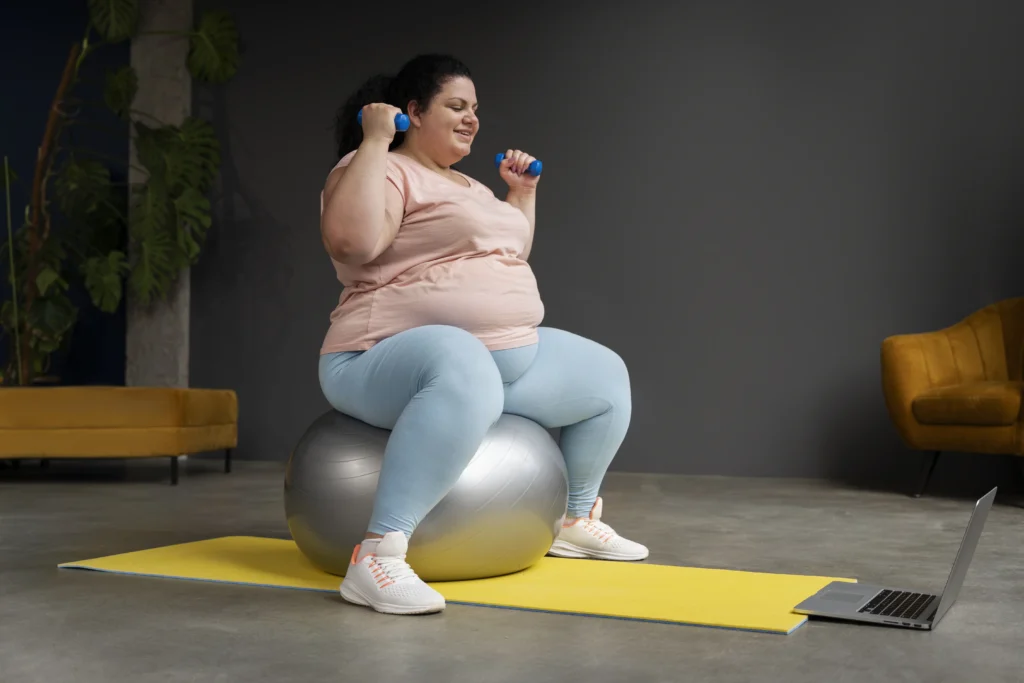
Absolutely.
One of the biggest misconceptions about PCOS is that exercise only works if you lose weight.
In reality, your body begins responding to physical activity long before the weighing scale changes.
During exercise, your muscles use glucose as fuel.
This improves insulin sensitivity and helps your body regulate blood sugar more efficiently.
Exercise also increases lean muscle mass.
Since muscle tissue burns more energy than fat tissue, building muscle supports a healthier metabolism over time.
Research has shown that improvements in insulin resistance, cholesterol levels, cardiovascular fitness, and quality of life can occur even when body weight remains unchanged (Pinckard et al. 2019).
This means your workouts are benefiting your health, even if you don’t immediately notice a reduction in body weight.
Instead of focusing only on the scale, pay attention to other positive changes such as:
- Increased energy levels
- Better sleep quality
- Improved mood
- Greater strength
- Better stamina
- Reduced waist circumference
- More regular menstrual cycles
These improvements often appear before significant weight loss.
How Much Exercise Is Recommended for PCOS?
The goal isn’t to spend hours in the gym every day.
Consistency is far more important than intensity.
According to the 2023 International Evidence-based Guideline for PCOS, women with PCOS should aim for:
- 150 to 300 minutes of moderate-intensity exercise each week, such as brisk walking or cycling.
- 75 to 150 minutes of vigorous-intensity exercise each week if physically able.
- Strength training at least 2-3 days per week to improve muscle mass and insulin sensitivity.
- Flexibility and mobility exercises several times each week to improve movement quality and reduce injury risk.
If you’re new to exercise, don’t worry about meeting these recommendations immediately.
Start with 15 to 20 minutes of activity most days of the week.
Gradually increase the duration and intensity as your fitness improves.
Remember, a sustainable exercise routine that you enjoy is far more effective than an intense program you can’t maintain.
Best Exercises for PCOS
The best exercises for PCOS is one that you can perform consistently.
A combination of cardiovascular exercise, strength training, flexibility, and mobility exercises offers the greatest health benefits.
Let’s explore the most effective physiotherapist-recommended exercises for women with PCOS.
Walking
Walking is one of the simplest and safest exercises for women with PCOS.
It requires no special equipment and can be adapted to almost every fitness level.
Regular walking improves insulin sensitivity, supports heart health, and helps burn calories without placing excessive stress on the joints.
It is also an excellent starting point for women who are new to exercise.
How Often?
- 30-45 minutes
- 5 days per week
- Aim for a brisk pace where talking is possible but singing becomes difficult.
Even breaking your walk into three 10-minute sessions can provide health benefits.
Strength Training
Strength training is one of the most important exercises for women with PCOS.
Many women focus only on cardio, but building muscle is equally important.
Muscle tissue uses glucose more efficiently, helping improve insulin sensitivity and metabolism.
Strength training also increases resting metabolic rate, meaning your body continues burning more calories even after exercise.
Exercises include:
- Squats
- Lunges
- Push-ups
- Dumbbell rows
- Shoulder press
- Glute bridges
A review published in Sports Medicine found that resistance training improves body composition and metabolic health in women with PCOS. (Patten et al. 2020)
How Often?
- 2-3 sessions per week
- 8-10 exercises
- 2-3 sets
- 8-12 repetitions
Focus on proper technique rather than lifting heavy weights.
Resistance Band Exercises
Resistance bands are an excellent alternative for beginners.
They provide muscle strengthening without placing excessive stress on the joints.
They are also inexpensive, portable, and suitable for home workouts.
Recommended exercises for PCOS include:
- Band squats
- Band rows
- Lateral walks
- Bicep curls
- Shoulder press
- Glute kickbacks
Resistance bands allow gradual progression as strength improves.
Cycling
Cycling is a low-impact aerobic exercise that improves cardiovascular fitness while being gentle on the knees and hips.
It is especially suitable for women who experience joint discomfort or obesity-related movement limitations.
Outdoor cycling and stationary bikes both provide excellent benefits.
How Often?
- 30-45 minutes
- 3-5 sessions per week
Maintain a pace that raises your heart rate without causing excessive fatigue.
Swimming
Swimming provides a full-body workout while reducing stress on the joints.
The natural resistance of water strengthens muscles and improves endurance.
It is particularly beneficial for women with:
Swimming also improves flexibility and cardiovascular fitness simultaneously.
Yoga
Yoga is more than a stretching exercise.
It combines movement, breathing, and relaxation to improve both physical and mental health.
Women with PCOS often experience higher stress levels.
Yoga helps lower stress while improving flexibility, posture, and balance.
Certain yoga poses may also reduce muscle tightness caused by prolonged sitting.
Useful poses include:
- Child’s Pose
- Cobra Pose
- Bridge Pose
- Cat-Cow Stretch
- Butterfly Pose
- Mountain Pose
Research suggests yoga may improve quality of life and reduce stress in women with PCOS. (Nidhi et al. 2013)
Practice yoga for 20-30 minutes, 3-5 days per week.
Pilates
Pilates focuses on controlled movement, breathing, posture, and core stability.
It strengthens the deep abdominal muscles while improving flexibility and body awareness.
Women who spend long hours sitting often benefit from Pilates because it helps improve posture and reduce lower back discomfort.
Common Pilates exercises include:
- Pelvic tilts
- Leg circles
- The Hundred
- Shoulder bridge
- Single-leg stretch
Pilates is suitable for beginners and can be modified according to fitness level.
High-Intensity Interval Training (HIIT)
HIIT involves alternating short bursts of intense exercise with periods of recovery.
Examples include:
- Fast walking followed by brisk walking
- Cycling intervals
- Bodyweight circuit training
HIIT may improve cardiovascular fitness and insulin sensitivity in less time than traditional cardio.
However, it is not the best starting point for everyone.
Women who are new to exercise should first build a foundation with moderate-intensity activity before progressing to HIIT.
A physiotherapist can help determine whether HIIT is appropriate based on your health and fitness level.
Core Strengthening Exercises
A strong core supports posture, balance, and efficient movement.
Core exercises also reduce the risk of lower back pain and improve performance during daily activities.
Effective exercises include:
- Plank
- Side plank
- Bird Dog
- Dead Bug
- Glute bridge
- Heel taps
Start with shorter durations and gradually increase as your strength improves.
Stretching and Mobility Exercises
Flexibility is often overlooked in exercise programs.
Regular stretching helps maintain joint mobility and reduces muscle stiffness.
Mobility exercises also improve movement quality and decrease the risk of injury.
Focus on stretching:
- Hamstrings
- Hip flexors
- Quadriceps
- Calves
- Chest
- Shoulders
Spend 5-10 minutes stretching after every workout.
Avoid bouncing while stretching.
Instead, hold each stretch for 20-30 seconds.
Pelvic Floor Exercises
Although pelvic floor exercises are commonly associated with pregnancy, they can also benefit some women with PCOS.
A strong pelvic floor supports bladder control, pelvic stability, and core function.
Simple pelvic floor contractions can be incorporated into daily routines under the guidance of a physiotherapist when appropriate.
Exercises That May Need Caution
Not every exercise is suitable for every woman with PCOS.
Your fitness level, body weight, joint health, and medical history should always be considered before starting a new workout program.
High-Impact Workouts
Exercises such as jumping, sprinting, or advanced plyometrics may increase stress on the knees and ankles in beginners or women with obesity.
Progress gradually before attempting high-impact movements.
Overtraining
More exercise isn’t always better.
Exercising intensely every day without adequate recovery may increase fatigue and reduce motivation.
Include at least one or two recovery days each week.
Poor Exercise Technique
Incorrect posture during exercises increases the risk of injury.
Learning proper movement patterns from a physiotherapist or qualified fitness professional can improve both safety and effectiveness.
Exercising Without Proper Nutrition
Skipping meals before intense workouts may lead to dizziness, fatigue, or poor performance.
Fuel your body with balanced meals and stay hydrated throughout the day.
Ignoring Pain
Muscle soreness after exercise is normal.
Sharp, persistent, or worsening pain is not.
Stop exercising and seek professional advice if pain continues during or after activity.
Sample Weekly Exercise Plan for Women with PCOS
Creating a balanced weekly routine helps you stay consistent without overtraining.
The following schedule combines cardio, strength training, flexibility, and recovery to support hormonal and metabolic health.
Monday – Brisk Walking + Stretching
- 35-45 minutes of brisk walking
- 10 minutes of full-body stretching
This combination improves cardiovascular fitness while reducing muscle stiffness.
Tuesday – Strength Training
Focus on major muscle groups.
Example routine:
- Squats
- Lunges
- Push-ups (modified if needed)
- Dumbbell rows
- Shoulder press
- Glute bridges
Finish with gentle stretching.
Total duration: 40-50 minutes
Wednesday – Yoga or Pilates
Choose a low-impact session focusing on:
- Flexibility
- Breathing
- Core strength
- Balance
- Relaxation
Aim for 30-40 minutes.
This also provides active recovery for your muscles.
Thursday – Cycling or Swimming
Choose whichever activity you enjoy most.
Exercise for 30-45 minutes at a moderate intensity.
Maintain a pace where conversation is possible but your heart rate remains elevated.
Friday – Strength Training
Repeat another resistance workout.
Focus on proper form instead of lifting heavier weights.
Gradually increase resistance as your strength improves.
Saturday – Walking + Core Exercises
Complete:
- 30 minutes brisk walking
Then perform:
- Plank
- Bird Dog
- Dead Bug
- Side Plank
- Glute Bridge
Finish with stretching.
Sunday – Recovery Day
Your body also needs time to recover.
Choose gentle activities such as:
- Leisure walking
- Light stretching
- Deep breathing exercises
- Meditation
Recovery helps muscles repair and prepares your body for the following week.
Physiotherapist’s Tips for Women with PCOS
Following a structured exercise routine is important, but exercising correctly is equally essential.
These practical tips can help you stay safe while achieving better results.
Start Slowly
You don’t need to exercise for an hour on your first day.
Begin with 15-20 minutes and increase gradually.
Small improvements are easier to maintain.
Focus on Consistency
A moderate workout performed regularly is more effective than occasional intense sessions.
Aim to make exercise part of your daily routine.
Warm Up Before Every Workout
A proper warm-up prepares your muscles and joints for movement.
Spend 5-10 minutes doing activities such as:
- Marching in place
- Arm circles
- Leg swings
- Shoulder rolls
- Gentle walking
This reduces the risk of injury.
Cool Down Afterwards
Cooling down helps your heart rate return to normal.
Finish every workout with gentle stretching.
Hold each stretch for 20-30 seconds without bouncing.
Combine Cardio and Strength Training
Many women only perform cardio exercises.
Adding strength training improves muscle mass, metabolism, posture, and insulin sensitivity.
A balanced routine provides the best long-term results.
Listen to Your Body
Feeling tired after exercise is normal.
Persistent pain, dizziness, or severe fatigue is not.
Modify your workout or seek professional advice if symptoms continue.
Wear Proper Footwear
Supportive shoes improve stability and reduce stress on the knees, ankles, and hips.
This is especially important for women with obesity or joint pain.
Track Your Progress
Don’t rely only on the weighing scale.
Monitor improvements such as:
- Increased strength
- Better stamina
- Improved sleep
- Reduced waist circumference
- More regular periods
- Higher energy levels
These are meaningful signs that your exercise program is working.
Common Exercise Mistakes Women with PCOS Make
Exercise should improve your health, not become another source of frustration.
Avoid these common mistakes.
Exercising Only to Lose Weight
Weight loss is only one benefit of exercise.
Better hormone balance, improved insulin sensitivity, stronger muscles, and improved mood are equally important.
Doing Only Cardio
Walking and running are excellent.
However, strength training should also be included to improve metabolism and muscle health.
Skipping Recovery Days
Muscles grow stronger during recovery.
Training every day without rest may increase fatigue and injury risk.
Setting Unrealistic Goals
Trying to exercise seven days a week immediately often leads to burnout.
Start with achievable goals and progress gradually.
Ignoring Strength Training
Many women avoid resistance exercises because they fear becoming bulky.
In reality, strength training helps improve body composition and is unlikely to cause excessive muscle growth in women.
Following Social Media Workouts Blindly
Not every online workout is appropriate for women with PCOS.
Choose evidence-based exercises suited to your current fitness level.
Poor Posture During Exercise
Incorrect posture reduces exercise effectiveness and increases injury risk.
A physiotherapist can correct movement patterns and improve exercise technique.
When Should You Consult a Physiotherapist?
Although many women can begin exercising independently, professional guidance can be valuable in certain situations.
Consider consulting a physiotherapist if you:
- Experience persistent knee, hip, or back pain
- Have obesity that limits movement
- Are recovering from an injury
- Have balance or mobility problems
- Experience pelvic pain during exercise
- Recently gave birth and have PCOS
- Feel unsure about which exercises are safe
- Want a personalised exercise program
A physiotherapist can assess your posture, strength, flexibility, balance, and movement patterns before designing an exercise plan tailored to your needs.
This personalised approach reduces injury risk and helps you exercise more confidently.
Final Thoughts
Exercise is one of the most effective lifestyle strategies for managing PCOS, but success comes from consistency rather than intensity. Every walk, strength-training session, stretch, or yoga practice contributes to better hormonal health and overall well-being.
By combining regular physical activity with healthy eating, quality sleep, stress management, and professional guidance when needed, women with PCOS can improve insulin sensitivity, build strength, boost confidence, and enjoy a healthier, more active life.
Conclusion
Exercise is one of the most powerful lifestyle tools for managing Polycystic Ovary Syndrome (PCOS).
It improves insulin sensitivity, supports hormonal balance, strengthens muscles, enhances cardiovascular health, and contributes to better mental well-being.
The best exercise program is one that combines aerobic activity, strength training, flexibility, and adequate recovery.
Most importantly, consistency matters far more than perfection.
Even small amounts of regular physical activity can produce meaningful improvements over time.
When combined with a healthy diet, quality sleep, stress management, and guidance from a physiotherapist when needed, exercise can significantly improve both PCOS symptoms and overall quality of life.
Frequently Asked Questions
1. What is the best exercise for PCOS?
A combination of brisk walking, strength training, cycling, swimming, yoga, and flexibility exercises is considered one of the most effective approaches for managing PCOS.
2. How many days a week should women with PCOS exercise?
Most women should aim for at least 150 minutes of moderate-intensity exercise each week, along with two to three strength training sessions.
3. Can exercise improve PCOS without weight loss?
Yes. Regular physical activity improves insulin sensitivity, hormone balance, cardiovascular fitness, and mental well-being even before noticeable weight loss occurs.
4. Is strength training safe for women with PCOS?
Yes. Strength training is highly recommended because it helps build muscle, improve metabolism, and support healthy blood sugar regulation.
5. Is yoga beneficial for PCOS?
Yes. Yoga improves flexibility, reduces stress, enhances posture, and supports overall physical and mental health.
6. Should I consult a physiotherapist before starting exercise?
If you have joint pain, obesity, previous injuries, balance issues, or uncertainty about exercising safely, consulting a physiotherapist is recommended.
Stay tuned with us for more health related topics.
Follow us on LinkedIn and Instagram for more.
More Read





Medical Disclaimer!
This article has been reviewed and written under the guidance of our Head Physiotherapist, Dr. Kruti Raj (PT, MUHS,CPT,CMPT). The information shared is intended for educational purposes only and should not be considered a substitute for personalized medical advice, diagnosis, or treatment.
Please consult us or any other qualified healthcare professional before beginning any exercise program, especially if you are experiencing pain, recovering from injury, or managing a medical condition.