

Understanding Spurlings Test
Neck pain that travels down your arm, causes tingling, or creates weakness is never just muscle pain. As a physiotherapist, one of the most important questions I ask is:
“Is this nerve involvement?”
That’s where Spurling’s test becomes incredibly valuable.
Despite being a quick bedside test, Spurling’s test plays a critical role in identifying cervical radiculopathy (nerve root compression in the neck), a condition that can significantly affect function, sleep, and quality of life.
But here’s something many people and even clinicians get wrong:
Spurling’s test is not a screening tool. It is a confirmation tool.
Recent evidence shows that while the test is highly specific (~92-94%), it has low to moderate sensitivity (~30–53%), meaning it is excellent at confirming nerve compression but may miss some cases (PubMed).
In this guide, I’ll walk you through:
- The correct clinical use of Spurling’s test
- Common mistakes even professionals make
- How it fits into modern physiotherapy diagnosis
- What to do after a positive test
Read about: Early Signs of Cervical Spine Damage You Should Never Ignore
Quick Answer
Spurling’s test is a clinical test used to diagnose cervical radiculopathy. A positive result reproduces radiating arm pain, indicating nerve root compression in the neck.
Read about our Complete Neck Pain Guide : Causes, Symptoms, Exercises and Treatment
Key Takeaways
- Spurling’s test is used to diagnose cervical nerve root compression.
- A positive test reproduces radiating arm pain.
- It is highly specific but not very sensitive.
- Best used with other clinical tests for accuracy.
- Physiotherapy plays a key role in recovery.
Also read: How to Relieve Neck Tightness Without Equipment
What is Spurling’s Test?
Spurling’s test, also known as the foraminal compression test, is a widely used physical examination technique in physiotherapy and orthopedics to assess cervical nerve root compression.
From a clinical perspective, this test helps determine whether your neck pain is:
- Mechanical (muscle/posture-related)
- Or neurological (nerve compression)
It is especially useful in identifying:
- Cervical disc herniation
- Foraminal stenosis
- Cervical spondylosis
- Nerve root irritation
Read more: Cervical Disc Bulge: Causes, symptoms and treatment
History & Origin of Spurling’s Test
Spurling’s test was first described in 1944 by neurosurgeons Roy Spurling and William Scoville.
Originally, it was designed to provoke symptoms by narrowing the intervertebral foramen, thereby identifying nerve root compression.
Why this matters clinically:
- It explains why positioning (extension + rotation) is critical
- It reinforces that pure compression alone is biomechanically insufficient
Modern research confirms that adding rotation and extension significantly improves diagnostic accuracy (PubMed).
Read in detail about: What is Cervical Spondylosis? The Truth Behind Chronic Neck Pain
Biomechanics Behind Spurling’s Test
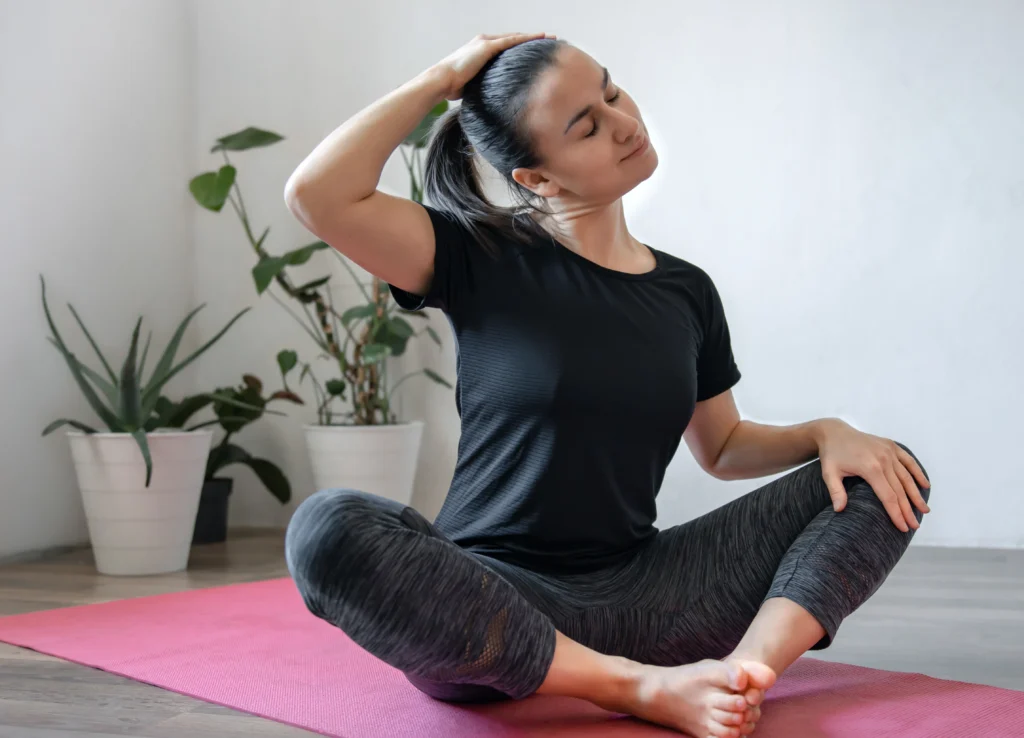
When Spurling’s test is performed:
- Extension– narrows spinal canal
- Rotation + side bending– reduces foraminal space on one side
- Axial compression– increases pressure on nerve root
Result:
- If a nerve is already irritated- symptoms reproduce
This explains why:
- Disc herniations
- Osteophytes
- Foraminal stenosis
all become symptomatic during the test.
Read in detail about: Cervical Radiculopathy: Why Neck Nerve Pain Travels to the Arm
Why Do Physiotherapists Use Spurling’s Test?
As a physiotherapist, I rely on Spurling’s test not as a standalone tool but as part of a clinical reasoning process.
Key Purpose:
- To reproduce radicular symptoms
- To confirm nerve involvement
- To guide further imaging or treatment decisions
Research consistently shows that Spurling’s test is:
- Highly specific (~0.92–0.94)– strong at confirming diagnosis
- Moderately to poorly sensitive (~0.30–0.53)– may miss cases
A landmark study showed specificity of 93% but sensitivity of only 30%, making it unreliable for screening but valuable for confirmation. (PubMed)
A recent meta-analysis (2025) reported:
- Sensitivity: ~0.53
- Specificity: ~0.92
- Better accuracy when combined with neck rotation/extension (PubMed)
Read in detail about: Cervical Disc Degeneration: The Hidden Cause of your Neck Pain
How is Spurling’s Test Performed?
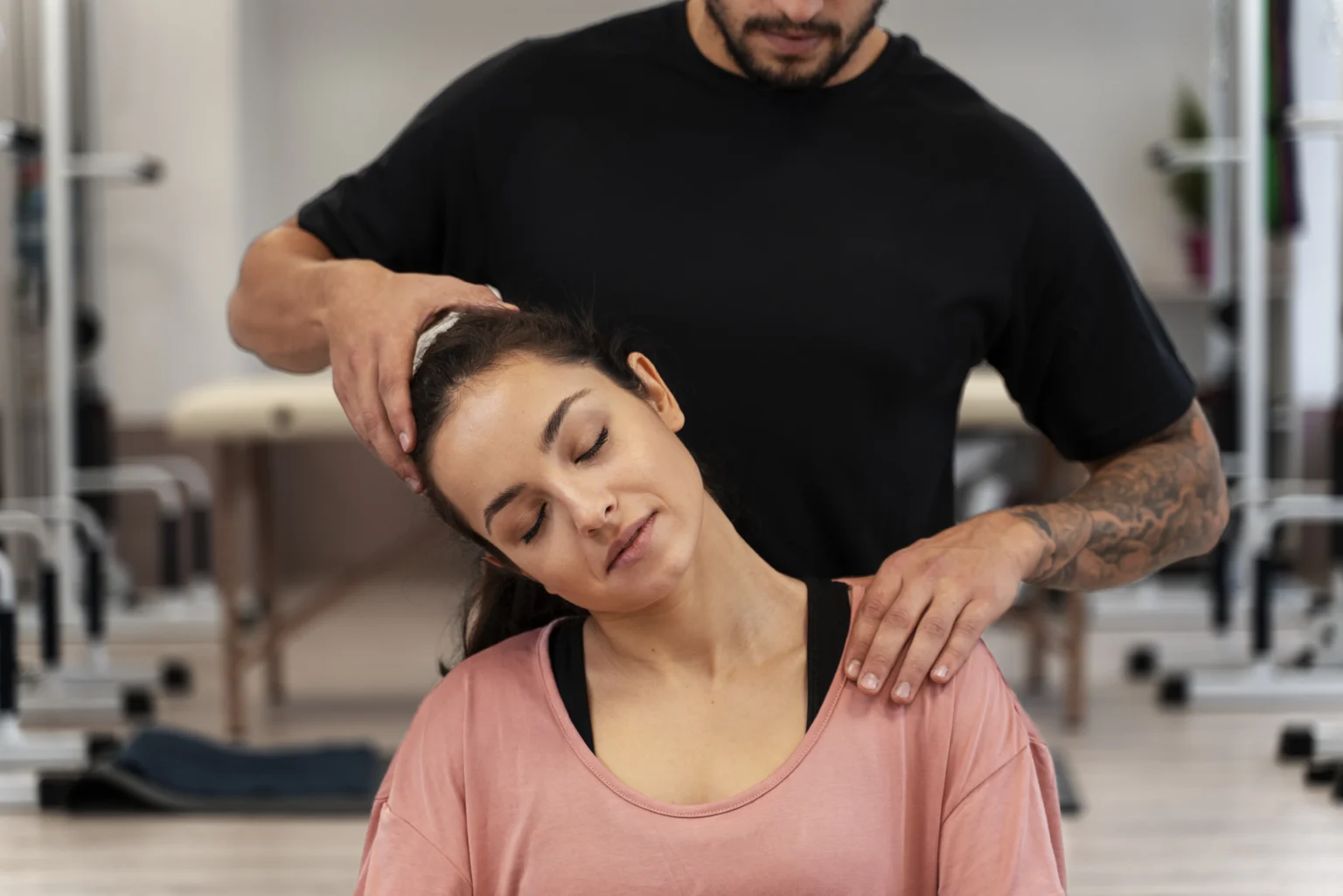
Step-by-Step Clinical Procedure
- Patient sits upright
- Therapist extends the neck
- Side bends and rotates toward the symptomatic side
- Applies gentle downward compression
Positive Test
- Reproduction of radiating arm pain (not just neck pain)
Negative Test
- No reproduction of symptoms
Read : A Complete Guide To Neck Arthritis
What Does a Positive Test Mean?
A positive Spurling’s test strongly suggests cervical radiculopathy.
Why?
Because the maneuver:
- Narrows the intervertebral foramen
- Compresses the nerve root
- Reproduces nerve pain
However, local neck pain alone is NOT considered positive.
Read about : What is Cervical Facet Joint Pain, how it causes cervicogenic headaches and how to correct it naturally
Understanding Sensitivity vs Specificity
Sensitivity (Low)
- Misses some true cases
- Not good for screening
Specificity (High)
- Few false positives
- Strong confirmation tool
Studies confirm:
- Sensitivity ranges from 30% to 60%
- Specificity ranges from 75% to 100% (Healthline)
Clinical takeaway:
If Spurling’s is positive- likely radiculopathy. If negative- doesn’t rule it out.”
Read about: What Is Cervical Myofascial Pain Syndrome And How To Relieve Trigger Points
Lesser-Known Clinical Insights
1. Test Accuracy Depends on Technique
Adding rotation + extension increases sensitivity significantly (PubMed)
2. Axial Compression Alone is Weak
Pure compression without positioning is least accurate (Springer)
3. Cluster Testing is More Reliable
Spurling’s test works best when combined with:
- Upper Limb Tension Test (ULTT)
- Cervical distraction test
- Reduced cervical rotation
When 3-4 tests are positive- diagnostic accuracy rises up to 90% (journal.parker.edu)
Read more: Cervical Vertigo Explained: Why Neck Pain Make You Feel Dizzy
When Should Spurling’s Test Be Used?
Indications
- Radiating arm pain
- Numbness or tingling
- Suspected cervical disc prolapse
- Neck pain with neurological symptoms
Not Ideal For
- Isolated neck stiffness
- Pure muscular pain
- Acute trauma (without screening)
Read in detail: Physiotherapy for Cervical Disc Degeneration: What Actually Works
Conditions Diagnosed Using Spurling’s Test
Common Diagnoses
- Cervical radiculopathy
- Cervical disc herniation
- Foraminal stenosis
- Degenerative cervical spondylosis
Read more: Cervical Myelopathy: The Hidden Neck Condition Affecting Your Walking
Rare but Possible Findings
- Tumor-related nerve compression
- Inflammatory nerve irritation
Read : How to Treat Neck Pain in Ankylosing Spondylitis
When NOT to Perform Spurling’s Test
As a physiotherapist, safety comes first.
Absolute Contraindications:
- Cervical instability
- Acute fractures
- Severe osteoporosis
- Vertebral artery insufficiency
Also Read : Neck Cracking: Benefits, Risks, and the Truth About Stroke
Relative Contraindications:
- Severe pain
- Recent surgery
- Dizziness or vertigo
Read more: Cervical Vertigo Explained: Why Neck Pain Make You Feel Dizzy
Risks and Safety Considerations
Though generally safe, improper technique can cause:
- Increased nerve irritation
- Dizziness
- Severe pain flare-ups
Always perform gentle, controlled pressure. Never force the movement
Read : How to Treat Neck Pain in Ankylosing Spondylitis
Why Spurling’s Test Alone is NOT Enough
One of the biggest clinical mistakes is over-reliance on a single test.
Research strongly supports cluster testing:
When combined with:
- Upper Limb Tension Test
- Cervical Distraction
- Reduced cervical rotation
Diagnostic probability increases up to 90% when all 4 are positive (journal.parker.edu)
This is called Wainner’s Cluster, a gold standard in physiotherapy assessment.
Read about: What Is Military Neck Or Cervical Kyphosis And How To Treat It
Spurling’s Test vs Other Cervical Tests
| Test | Sensitivity | Specificity | Role |
|---|---|---|---|
| Spurling’s | Low | High | Confirm diagnosis |
| ULTT | High | Low | Rule out |
| Distraction Test | Moderate | High | Symptom relief |
| Shoulder Abduction | Variable | Moderate | Supportive |
Cluster testing is far superior to any single test.
Read: Lhermitte’s sign- An Electic Shock Sensation Down The Neck
Spurling’s Test vs MRI: Which is Better?
Let’s be practical.
| Tool | Role |
|---|---|
| Spurling’s Test | Clinical screening/confirmation |
| MRI | Structural diagnosis |
| EMG | Nerve function |
Important insight:
- Spurling’s test correlates well with electrodiagnostic findings but is not definitive alone (PubMed)
Best practice: Combine clinical exam + imaging when needed
Read about: Effective Neck Pain Exercises At Home: A Complete Guide to Relief and Improved Mobility
Physiotherapy Role After a Positive Spurling’s Test
A positive test is not the end, it’s the beginning of treatment planning.
Goals of Physiotherapy:
- Reduce nerve compression
- Improve mobility
- Correct posture
- Strengthen deep neck stabilizers
Read about: Yoga for Neck Pain: Poses That Actually Work
Evidence-Based Physiotherapy Treatment

1. Cervical Traction
Reduces nerve compression and pain
Studies show traction improves symptoms in radiculopathy patients (Springer)
Read more: Is Cervical Traction For Neck Pain Really Effective
2. Neural Mobilization
Helps restore nerve glide and reduce irritation
Read more: Heat Or Cold Therapy for Neck Pain: What Actually Works?
3. McKenzie Exercises
Centralizes pain and improves disc mechanics
Read about: The Most Effective McKenzie Exercises For Neck Pain
4. Postural Correction
Addresses forward head posture (major hidden cause)
5. Strengthening Exercises
- Deep cervical flexors
- Scapular stabilizers
Also Read: Ultimate 6 Weeks Neck Rehabilitation Exercises For Pain Relief
Home Exercises for Cervical Radiculopathy
1. Chin Tucks
- Improves alignment
- Activates deep neck flexors
Learn: How to do Chin Tucks for Neck Pain Relief and Posture Correction
2. Nerve Glides (Median Nerve)
- Reduces nerve sensitivity
3. Scapular Retractions
- Improves posture
4. Cervical Extension Exercises (McKenzie)
- Helps centralize symptoms
Also Read: Ultimate 6 Weeks Neck Rehabilitation Exercises For Pain Relief
Cosmetic & Surgical Considerations
Cosmetic
Rarely needed unless chronic postural deformity
Surgical (Advanced Cases)
- Discectomy
- Foraminal decompression
Indicated when:
- Progressive neurological deficit
- Severe unrelenting pain
Read more on : Manual Therapy for Neck Pain: A Physiotherapist’s Evidence Based Guide
Common Mistakes Clinicians Make
- Using it as a screening test
- Applying excessive force
- Ignoring negative results
- Not combining with other tests
Read: Trigger Point Injections for Neck Pain: Do They Really Work
Myth vs Reality
Myth: Spurling’s test alone diagnoses nerve compression
Reality: It must be part of a cluster of tests + history
Read : Chiropractic for Neck Pain: Does It Really Work?
Clinical Insight
In my clinical practice, Spurling’s test is one of the most misinterpreted yet powerful tools.
I’ve seen patients wrongly reassured by a negative test or overdiagnosed based on neck pain alone.
The real strength of this test lies in:
- Proper execution
- Correct interpretation
- Integration with other findings
Read about: Neck And Jaw Pain Together? Here’s The Full Clinical Picture
Physio Prescription
- Avoid prolonged neck flexion
- Maintain ergonomic posture
- Perform daily chin tucks
- Use cervical support while sleeping
- Stay consistent with exercises
Read About: How to Choose the Right and Best Pillow for Neck Pain
Red Flags
- Progressive arm weakness
- Loss of bowel/bladder control
- Severe night pain
- Unexplained weight loss
Read in detail: Best Desk Setup to Reduce Neck and Back Pain
Frequently Asked Questions
1. Is Spurling test painful?
It may reproduce pain if nerve compression exists, but should not be forcefully painful.
2. Can Spurling test be negative even with nerve compression?
Yes, due to low sensitivity.
3. Is it safe?
Yes, when performed gently by a trained professional.
Read: How to Fix Sagging,Ozempic Neck After Rapid Weight Loss
Final Word
Spurling’s test is not just a test, it’s a clinical clue. When used correctly, it can significantly improve diagnostic accuracy and guide effective physiotherapy treatment.
As a physiotherapist, I don’t rely on it in isolation but I respect its value deeply.
Here’s the truth:
- It won’t catch every case
- It shouldn’t be used alone
- But when positive, it gives you a clear clinical direction
In modern physiotherapy, the goal is not just diagnosis but precision diagnosis.
If you are experiencing radiating arm pain, numbness, or weakness, don’t ignore it.
Early diagnosis and physiotherapy intervention can prevent long-term nerve damage and significantly improve recovery.
Stay tuned with us for more health related topics.
Follow us on LinkedIn and Instagram for more.
More Read


Medical Disclaimer!
This article has been reviewed and written under the guidance of our Head Physiotherapist, Dr. Kruti Raj (PT, MUHS,CPT,CMPT). The information shared is intended for educational purposes only and should not be considered a substitute for personalized medical advice, diagnosis, or treatment.
Please consult us or any other qualified healthcare professional before beginning any exercise program, especially if you are experiencing pain, recovering from injury, or managing a medical condition.


